

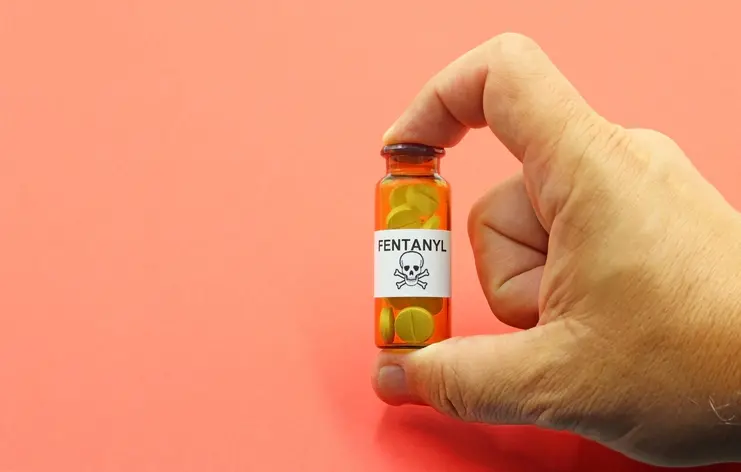
Heroin and fentanyl also differ in how manufacturers produce them. Heroin comes from morphine, which originates from the opium poppy. Fentanyl is a synthetic opioid made in laboratories. Both drugs activate opioid receptors in the brain and can produce euphoria, pain relief, sedation, and physical dependence.
Understanding these differences matters because fentanyl addiction can become dangerous quickly. Repeated use can increase tolerance and dependence while raising the risk of overdose. A Fentanyl Treatment program can provide structured support for withdrawal, cravings, and the behaviors that keep opioid addiction going. Treatment can also address mental health concerns and help people build a safer path toward long-term recovery.
What Is Heroin?
What Is Fentanyl?
It’s a fully synthetic opioid made entirely from chemicals rather than substances derived from the poppy plant. Doctors use fentanyl to manage severe pain, including pain during surgery and cancer treatment. However, illicit manufacturers now produce fentanyl for the street drug supply because it is inexpensive and extremely potent. Even a tiny amount can produce powerful effects and increase the risk of a life-threatening overdose.
Key Differences at a Glance
| Factor | Heroin | Fentanyl |
|---|---|---|
| Origin | Semi-synthetic, derived from morphine | Fully synthetic |
| Potency | Baseline opioid potency | 50 to 100 times stronger than heroin |
| Onset | Minutes | Seconds to minutes, often faster |
| Overdose risk | Significant | Extremely high, even in small amounts |
| Common use context | Used intentionally as heroin | Often mixed into other drugs unknowingly |
Why Fentanyl Is More Dangerous
Potency is only part of the story. Fentanyl’s biggest danger is how often it shows up where people don’t expect it, mixed into heroin, counterfeit pills, and even stimulants like cocaine. Because the effective dose is measured in micrograms, even small inconsistencies in how a batch is mixed can mean the difference between a normal dose and a fatal one. Someone using what they believe is heroin has no reliable way to know how much fentanyl, if any, is actually in it.
Dependence and Addiction Risk for Both
Both drugs cause rapid physical dependence, often within weeks of regular use. Tolerance builds quickly, pushing people toward higher doses to get the same effect, which raises overdose risk further. Withdrawal from either drug brings on intense flu-like symptoms and psychological distress severe enough that most people struggle to get through it without support.
Getting Help for Opioid Use
Whether someone is using heroin, fentanyl, or a supply contaminated with both, the safest way to stop is with medical oversight. Opioid detox programs monitor for complications and manage withdrawal symptoms that would otherwise be dangerous or unbearable to handle alone. To understand what that looks like for someone using heroin specifically, see our guide to signs of heroin addiction.
Call Port Charlotte Detox at (844) 336-2690 to talk through what detox and treatment could look like.
Frequently Asked Questions
Is fentanyl stronger than heroin?
Yes. Fentanyl is estimated to be 50 to 100 times stronger than heroin, meaning a much smaller amount produces the same or a stronger effect.
Can you overdose on fentanyl without knowing you took it?
Yes. Fentanyl is frequently mixed into heroin and other street drugs without the user’s knowledge, which is a leading cause of unintentional overdose.
Is fentanyl or heroin withdrawal worse?
Both cause similar withdrawal symptoms, though fentanyl withdrawal can come on faster and, for some users, feel more intense due to its potency and how quickly the body adapts to it.