


Recovery doesn’t always disappear.
Sometimes it just grows quiet.
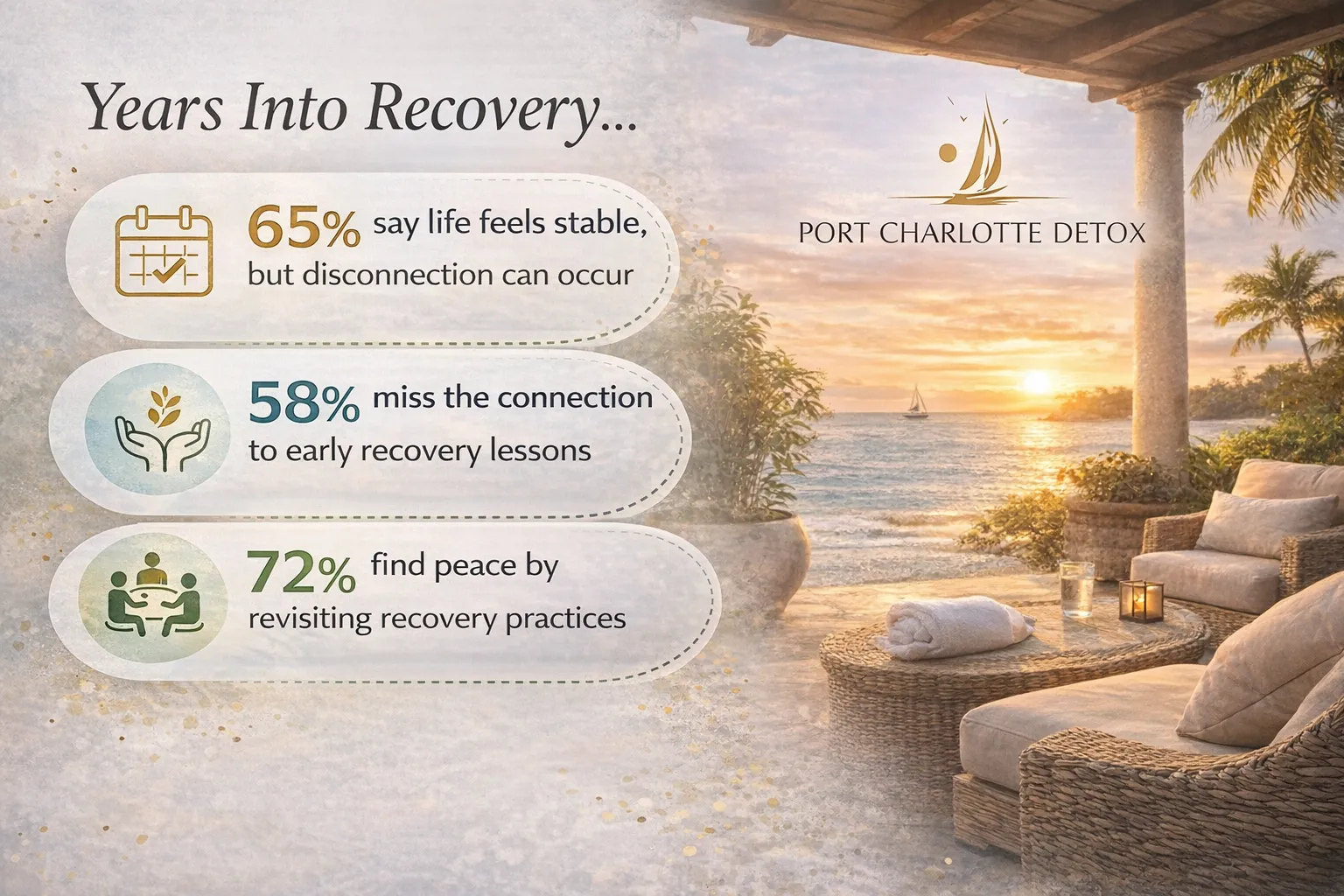
If you’ve been sober for years, you might know this feeling. Life stabilized. The chaos ended. Work returned. Family responsibilities grew. The urgency that once surrounded recovery slowly faded into the background.
From the outside, everything may look fine.
But inside, something can feel a little distant—like the connection to your recovery isn’t as strong as it used to be.
I’ve heard this story from many people who once spent time in live-in care environments where healing began, including spaces like a residential treatment program in Southwest Florida. Those early months were intense, structured, and life-changing.
Years later, the memories remain.
But the emotional connection to those lessons can fade beneath the weight of everyday life.
The good news is this: that connection rarely disappears.
It simply waits for you to reach back for it.
The Quiet Distance That Can Appear Years Into Sobriety
There’s something people don’t talk about enough in long-term recovery.
Sometimes sobriety becomes… normal.
The early days were full of breakthroughs and emotional clarity. Every day carried a sense of purpose. You were actively rebuilding your life.
But after several years, stability becomes routine.
You go to work. Pay bills. Care for your family. Solve problems. Handle stress.
Life becomes busy again.
And slowly, the practices that once protected your recovery may begin to fade into the background.
It doesn’t mean you stopped caring.
It simply means life moved forward.
For some alumni, that shift can leave them feeling slightly disconnected from the powerful transformation that once defined their recovery journey.
Why Early Recovery Feels So Different
Think back to those first months of sobriety.
Everything felt sharp and immediate.
You were learning new ways to cope with stress. You were rebuilding relationships. You were hearing truths about yourself that had been hidden for years.
There was a structure around your recovery.
Days had rhythm. Conversations had depth. Every step forward felt meaningful.
Those experiences can leave a powerful imprint.
But as life stabilizes, the emotional intensity of that time naturally fades.
And that’s not a failure.
It’s part of growth.
Still, many alumni eventually realize that the lessons they learned back then still matter—sometimes more than they did at the beginning.
The Small Moments That Bring the Lessons Back
Reconnection with recovery often begins in quiet ways.
It might happen during a stressful week when you remember a breathing exercise someone once taught you.
It might appear during a difficult conversation with a loved one when you suddenly recall the value of honesty and humility.
Or maybe you hear someone share a story that sounds a lot like the person you used to be.
Those moments can feel powerful.
They remind you that the work you did years ago wasn’t temporary.
It changed the way you see yourself.
And that foundation is still there.
Remembering the Version of Yourself Who Chose Change
One of the most important realizations for long-term alumni is remembering who they were when they first stepped into recovery.
That version of you was brave.
You faced uncomfortable truths. You let go of habits that once controlled your life. You stepped into unfamiliar territory because you believed something better was possible.
Years later, it’s easy to forget that courage.
Daily responsibilities can overshadow those early victories.
But that version of you still exists.
The strength that carried you through those first days of change didn’t disappear.
It became part of who you are.
When Recovery Becomes Quiet Instead of Loud
Early sobriety often feels loud.
Meetings, therapy sessions, conversations about growth, emotional breakthroughs—everything happens quickly and intensely.
Long-term recovery tends to feel quieter.
The tools you learned become part of everyday life. Boundaries become natural. Coping skills happen almost automatically.
Because of that, recovery may not feel as dramatic as it once did.
But quiet recovery is still recovery.
In fact, for many people, that quiet stability is the ultimate goal.
It means you built a life strong enough to support your wellbeing without constant crisis.
Why Reconnection Matters Even Years Later
Even stable recovery can benefit from occasional reconnection.
Think of it like maintaining a relationship with yourself.
If you ignore that relationship for too long, you might start to feel disconnected from the person you once worked so hard to become.
Revisiting recovery principles can restore clarity.
It reminds you why certain habits matter.
It reconnects you with gratitude.
And sometimes it reignites a deeper sense of purpose.
For many long-term alumni, these moments of reconnection help strengthen their emotional resilience for years to come.
The People Who Quietly Find Their Way Back
Some of the most inspiring recovery stories come from people who experienced this quiet distance and chose to reconnect.
They didn’t wait for a crisis.
They simply noticed something inside themselves that felt out of alignment.
Maybe they attended a meeting after years away.
Maybe they reached out to an old friend from early recovery.
Maybe they began journaling again or reflecting on the lessons they once carried daily.
Slowly, the connection returned.
Not with the intensity of early recovery—but with something deeper.
Wisdom.
Recovery Grows With You
Recovery isn’t a chapter that ends.
It evolves.
The lessons you learned during those early months continue to shape your decisions, relationships, and self-awareness.
Sometimes the connection feels strong.
Other times it fades quietly into the background.
But every person who has walked the path of recovery carries those lessons inside them.
You don’t have to rebuild your foundation from scratch.
You simply have to remember that it’s still there.
Community and Support Still Matter
Even years into sobriety, connection with others can play an important role.
People who live in communities such as Charlotte County, Florida often rediscover how valuable local support systems can be when they choose to reconnect with their recovery journey.
Nearby areas like Lee County, Florida have also seen many alumni quietly return to the principles that once helped them build stable lives.
Recovery doesn’t require constant intensity, but staying connected to supportive communities can help keep its foundation strong.
The Quiet Truth About Long-Term Recovery
If you’ve been sober for years and feel a little disconnected, you’re not alone.
Many people experience this phase.
It doesn’t mean you failed.
It means your life expanded beyond the urgent work of early recovery.
And that’s a good thing.
But reconnecting with those early lessons can bring something powerful back into focus.
Perspective.
Gratitude.
Clarity.
Sometimes the most meaningful step forward in long-term recovery isn’t a dramatic breakthrough.
It’s simply remembering who you are.
FAQs
Is it normal to feel disconnected from recovery after many years?
Yes. Many long-term alumni experience periods where recovery feels less present in their daily lives. As stability returns and life becomes busy, the intensity of early recovery often fades. This doesn’t mean sobriety is failing—it simply means recovery has become part of everyday life.
Why do early recovery lessons sometimes feel distant later on?
During the first months of sobriety, recovery often becomes the central focus of life. Over time, responsibilities such as work, family, and personal goals take priority again. The lessons remain valuable, but they may feel less immediate as daily routines change.
How can someone reconnect with their recovery mindset?
Reconnection can begin with small steps:
- Reflecting on personal growth since early sobriety
- Reconnecting with supportive people
- Revisiting recovery literature or personal notes
- Attending meetings or support groups again
- Practicing mindfulness or journaling
Even simple reflections can help restore a deeper connection to recovery.
Does feeling disconnected mean someone is at risk of relapse?
Not necessarily. Many people experience periods of emotional distance without returning to substance use. However, recognizing the feeling early and reconnecting with recovery principles can strengthen long-term stability.
Why do alumni sometimes seek renewed support years later?
Life changes, stress, and personal growth can create new challenges over time. Returning to recovery practices or supportive environments can help individuals adapt to those changes while maintaining sobriety.
Can recovery continue to evolve after many years?
Absolutely. Recovery is not static. As people grow older, their priorities, relationships, and personal goals change. The lessons learned early in sobriety often deepen with experience and self-reflection.
What is the most important thing to remember during periods of disconnection?
The most important truth is that recovery isn’t lost.
The tools, lessons, and personal strength that helped someone achieve sobriety remain part of who they are.
Sometimes all it takes is one small step to reconnect with them.
Ready to Talk?
If you’re feeling disconnected from recovery or simply want to reconnect with the lessons that once helped you rebuild your life, support is available.
Call 844-336-2690 to learn more about our Residential Treatment Program in Southwest Florida.