

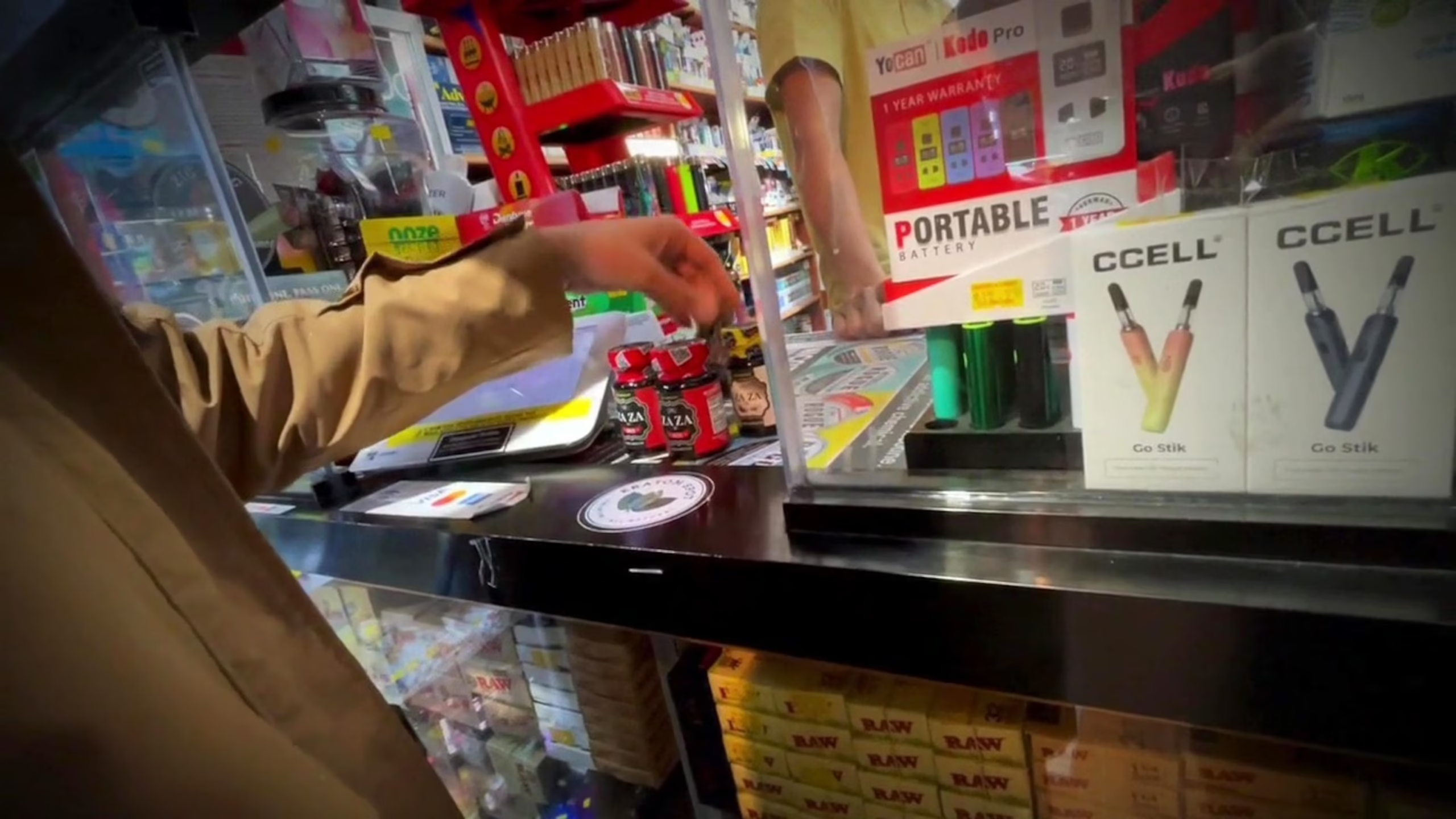
“Gas station heroin” is a nickname for products containing tianeptine, not actual heroin. Tianeptine is an unapproved drug sold in some gas stations, convenience stores, and smoke shops. Sellers often market these products as supplements, mood enhancers, or nootropics. It has nothing to do with actual heroin, but at high doses it behaves enough like an opioid that the name has stuck.
What “Gas Station Heroin” Actually Is
Tianeptine was originally developed decades ago as an antidepressant. Some countries outside the United States prescribe it in low, controlled doses. The FDA has not approved tianeptine for any medical use in the U.S. Products like Tianna Red, ZaZa, and Neptune’s Fix can contain much higher doses. People may misuse these products specifically for their opioid-like effects.
Why It’s Called Heroin When It Isn’t
At high doses, tianeptine binds to the same opioid receptors in the brain that heroin and other opioids affect. That’s where the nickname comes from. It doesn’t share heroin’s chemical structure, but the effects, and the risks of dependence and overdose, follow a similar pattern.
How It Affects the Brain and Body
At low, prescribed doses in the countries where it’s approved, tianeptine has a mild effect. At the high doses typically consumed in the U.S. products sold as gas station heroin, it can cause:
- Euphoria and sedation similar to opioid use
- Rapid tolerance, requiring more of the product to achieve the same effect
- Severe withdrawal symptoms that closely resemble opioid withdrawal
- Slowed breathing and other symptoms consistent with opioid overdose at very high doses
Legal Status and Availability
Tianeptine sits in a regulatory gray area. It isn’t a federally controlled substance, so many states still allow its legal sale. However, several states have banned or restricted it following reports of dependence and overdose. Its availability without a prescription, often near the checkout counter of an ordinary store, is part of what makes it dangerous. It doesn’t carry the warning signs people associate with illicit opioids.
Signs of Tianeptine Dependence or Overdose
Because tianeptine behaves like an opioid at high doses, the warning signs overlap closely with those of opioid dependence:
- Needing increasing amounts of the product to feel normal
- Withdrawal symptoms between doses, including anxiety, sweating, and muscle aches
- Using the product throughout the day to avoid withdrawal rather than for any intended effect
- Slowed or shallow breathing, confusion, or unresponsiveness, which requires emergency medical attention
Why This Drug Is Especially Dangerous
Because tianeptine products are often labeled as supplements, users and their families may not recognize the risk until dependence is already established. Standard drug tests don’t typically screen for it, and its legal availability makes it easy to obtain repeatedly. The withdrawal process can also be more severe and prolonged than users expect, closely mirroring opioid withdrawal in intensity.
Getting Help for Tianeptine or Opioid Dependence
Because tianeptine withdrawal behaves like opioid withdrawal, attempting to stop without support can be dangerous and is rarely successful long-term. A medically supervised detox program can manage withdrawal safely and connect it to a broader treatment plan, regardless of whether tianeptine is the only substance involved or one of several.
Call (844) 336-2690 if you or someone you love is struggling with a product sold as gas station heroin, or any opioid-like substance.
Is gas station heroin actually legal to buy?
In many states, yes, though this is changing. A growing number of states have restricted or banned tianeptine sales after reports of overdose, dependence, and death, so legality varies by location and continues to shift.
How is tianeptine different from real opioids like fentanyl or heroin?
Tianeptine is chemically distinct from opioids, but at high doses it acts on the same brain receptors, producing similar effects and a similar risk of dependence and overdose. It’s sometimes described as an “atypical opioid” for this reason.
Can tianeptine withdrawal be managed at home?
It’s not recommended. Withdrawal can be severe and, in some cases, medically risky, closely resembling opioid withdrawal in both symptoms and intensity. Medical supervision makes the process safer and more likely to lead to lasting recovery.